Architecture from the Ground Up
Giulliana Giorgi is an architect, researcher and educator whose work explores how architecture can regain agency by reconnecting with the landscapes, industries and crafts from which buildings emerge. Her research sits at the intersection of tectonics, material culture, extraction, labour and environmental stewardship, developing a methodology that begins with materials rather than form.
She is the recipient of the RIBA Scott Brownrigg Award for Sustainable Development (2024) for Unlocking UK Stone, a national research project investigating opportunities for contemporary load-bearing stone construction through collaborations with quarries, engineers, contractors and industry partners across the UK. In 2025 she was recognised as a RIBA Rising Star.
Giulliana has recently been awarded the Forshaw Studentship, a fully funded PhD by Creative Practice exploring bottom-up stereotomic systems informed by local quarrying practices and regional material ecologies. Alongside research, she teaches architecture, writes, lectures and organises exhibitions that advocate for a deeper understanding of materials as cultural, environmental and architectural resources.
She is currently establishing an independent research-led practice that develops architecture through material literacy, long-term collaboration and close engagement with local industries, seeking new forms of contemporary architecture rooted in place rather than predefined formal languages.
Architecture from the Ground Up proposes a design methodology that expands where architecture begins. While projects traditionally start with a site visit, the landscapes from which materials are extracted - quarries, forests, workshops and the communities that transform them into buildings - rarely form part of that site. Excluded from the design process, these places and forms of knowledge have become disconnected from architectural practice, limiting not only how we build, but also what we imagine possible.
Rather than beginning with form and selecting materials afterwards, the methodology begins with the ecological, material and social conditions from which architecture emerges. It argues that environmental responsibility depends not only on material choice, but on rebuilding relationships between architects, industries, craftspeople and engineers, allowing these to shape architectural expression.
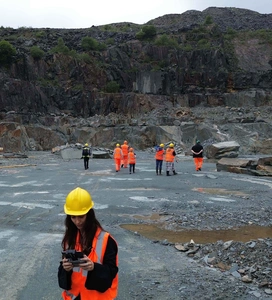
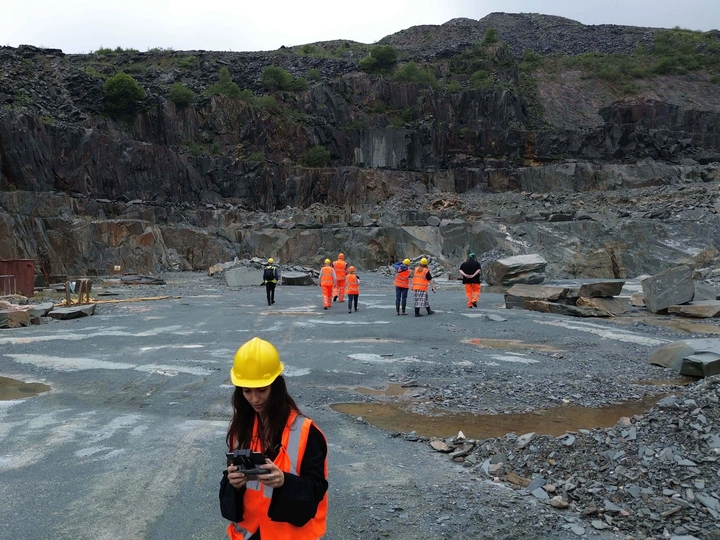
The methodology evolved through Unlocking UK Stone, a RIBA-funded research project exploring opportunities for contemporary load-bearing stone construction in the UK. Through fieldwork in active quarries and collaboration with quarry operators, stonemasons, engineers and contractors, the research showed that many perceived barriers to regional materials stem not from the materials themselves, but from fragmented knowledge and assumptions about cost, complexity and feasibility. Innovation therefore depends less on discovering new materials than on rebuilding dialogue between those who extract, transform, design and construct our built environment.
Rather than proposing stone as the solution, the project proposes a different way of practising architecture. Developed through stone but transferable to earth, timber and other regional materials, Architecture from the Ground Up offers a framework for generating new architectural languages, construction systems and collaborations rooted in place.