Critical Histories of Care
Mireia Juan
Makea is a design cooperative with almost twenty years of experience developing collaborative design processes, research and material practices that explore new relationships between people, objects, spaces and environments.
Makea works at the intersection of design, material culture, circular practices, education and social innovation. Throughout its trajectory, the cooperative has collaborated with cultural institutions, schools, public administrations, communities and organisations, developing projects that question how we create, use and care for the environments we inhabit.
Makea combines design, production, research and knowledge sharing. Its work is characterised by collaborative, sustainable and socially engaged practices, combining material experimentation, collective making and open knowledge methodologies.
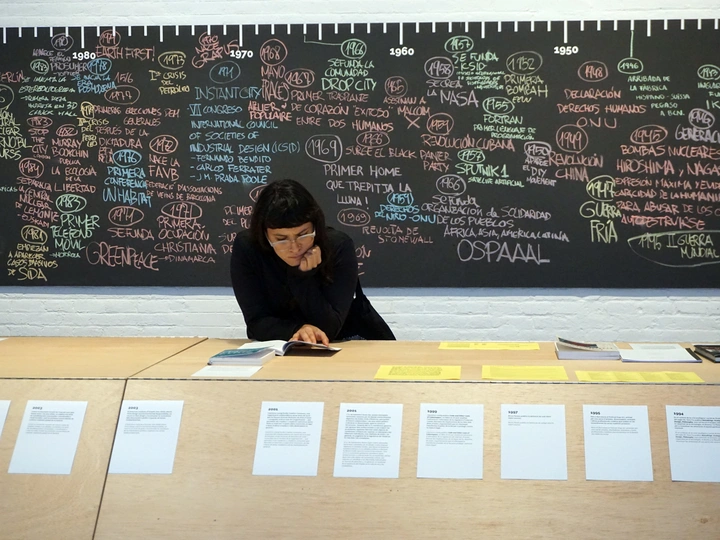
Alongside its practical projects, Makea develops research and reflection processes that explore how design can contribute to understanding and addressing contemporary challenges. Since 2010, Makea has developed CRIT – Critical Chronology of Design, a collaborative research platform that investigates design and material culture through critical and open perspectives. CRIT explores the relationships between design and social, ecological and cultural transformations through thematic research lines including Ecology, Social Issues, Production and Consumption, and Open Knowledge.
Through CRIT and other projects, Makea has developed methodologies that connect historical references, contemporary practices and collective knowledge production, creating open publications, archives and research processes involving experts and non-experts.
Makea has been recognised through awards and exhibitions and presented in cultural and professional contexts. Makea continues to explore how design, research and collective practices can contribute to more caring, sustainable and meaningful ways of inhabiting the world.
Critical Histories of Care proposes a collaborative research process exploring historical knowledge and practices related to wellbeing, health and care that can help us understand and address contemporary challenges through design, architecture and material culture.
The project starts from a question: what knowledge and practices from different historical contexts can help us rethink the relationships between people, objects, spaces, materials and environments today?
Care is understood in a broad sense: as a practice connected to sustaining life and maintaining the conditions that make life possible. It includes care for people, communities, objects, built environments, infrastructures, materials, other species and ecosystems. From this perspective, repair, maintenance, adaptation and regeneration become interconnected practices of care.
The proposal does not aim to create a history of design or a history of care, but to identify experiences from different fields that can expand the ways in which design, architecture and material culture respond to contemporary challenges.
The project continues the work developed through CRIT – Critical Chronology of Design, a collaborative research platform initiated by Makea that explores design history through critical and open perspectives. Previous research lines have focused on Ecology, Social Issues, Production and Consumption, and Open Knowledge.
This new line will create a transdisciplinary learning space around wellbeing, health and care, bringing together designers, architects, artists, researchers, professionals from different fields and non-expert participants. Together, they will explore references from different areas of knowledge to build an open atlas of care practices, analysing how historical experiences can offer methods and perspectives to better understand the present.
The research may evolve into publications, exhibitions, workshops, educational tools, prototypes or spatial interventions.