The Dakar–Lagos Corridor Material Archive
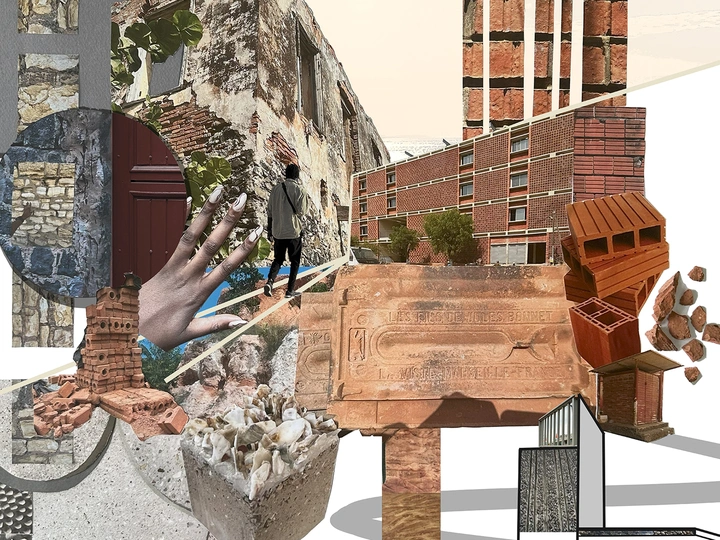
Studio Idon is an architectural research practice founded by architect Stephanie Idongesit Amaechi (née Ete). Working between Europe and West Africa, the practice investigates how architecture can be understood through material culture, documentation, and field-based research.
Through mapping, photography, drawing, cataloguing, and storytelling, Studio Idon explores the relationships between materials, craft traditions, landscapes, and the built environment. Rather than focusing solely on buildings, the practice examines how architecture is shaped through the sourcing, making, repair, and everyday use of materials, revealing the knowledge embedded within them.
In 2023, Studio Idon initiated The Dakar–Lagos Corridor: Material Culture, an ongoing research project developed through the Creative Industries Fund NL Talent Development Programme. Based on fieldwork across Dakar, Abidjan, Accra, and Lagos, the project documents the material cultures that shape architecture along the West African coastline through photography, mapping, cataloguing, and a growing digital archive. Alongside an online prototype, the research has produced two unpublished printed catalogue volumes that establish a methodology for documenting and comparing material cultures across the region.
Studio Idon positions architectural research as a form of translation, connecting materials, places, and lived experience into accessible forms of knowledge. Through archives, publications, exhibitions, and collaborative research, the practice seeks to create new ways of documenting, sharing, and learning from architecture through its material cultures.
The Dakar–Lagos Corridor Material Archive is a growing digital resource documenting the material cultures that shape architecture across this coastal West African. Developed during the Creative Industries Fund NL Talent Development Programme 2023, through two periods of fieldwork across Dakar–Thiès, Abidjan–Assinie Mafia, Accra–Elmina, and Lagos, the project combines photography, mapping, and cataloguing to record the materials, craft traditions, construction techniques, and architectural practices that shape the built environment.
Working from the perspective of an architect of the African diaspora practicing between Europe and Africa, I approach the corridor as a connected cultural landscape that extends beyond linguistic, colonial, and national boundaries. The archive reads architecture through its material culture, examining how materials are sourced, crafted, assembled, and transformed over time. It traces the relationships between materials, landscapes, craftspeople, architectural typologies, and everyday acts of making, revealing the knowledge embedded within them.
The archive currently exists as a working online prototype and two printed catalogue volumes, Volume I: Dakar–Abidjan and Volume II: Accra–Lagos. Each material entry combines photographs, material swatches, classifications, locations, architectural applications, and field observations. Together, they document and compare material cultures across the corridor.
With LINA, I want to develop the archive into an open, collaborative platform; connecting each material to the people, places, techniques, and craft traditions from which it emerges. Working with architects, researchers, craftspeople, and technologists, I aim to expand the archive, develop open-source methods for contribution, and explore new ways of sharing it through exhibitions, publications, workshops and education. The aim is to create a shared tool through which knowledge of materials and craft can continue to grow across West Africa.