Post-War Sarajevo: Between Decay and Permanence
Matteo Fabiani
Gianluca Martelli
Georgiana Beatrice Pascariu
We are four recently graduated architects who met at IUAV University of Venice, where we developed a shared approach to architectural design through several design studios before embarking together on this research project. United by a strong passion for architecture and the transformation of the existing built environment, we see design as a process that combines critical thinking, field research and spatial experimentation. Our collaboration culminated in a research-driven graduation project developed in Sarajevo, where extensive site visits, direct engagement with local communities and the mentorship of local architects shaped our investigation into adaptive reuse as a cultural practice. While we are at the beginning of our professional paths, we share the ambition to continue developing research-based design methodologies capable of engaging with contemporary architectural and societal challenges beyond the academic environment.
War does not always destroy architecture in the same way. Sometimes it erodes its body, sometimes its meaning.
This proposal challenges the conventional approach to post-war reconstruction by rejecting both nostalgic restoration and the indiscriminate replacement of the existing built environment. Instead, it explores how architecture can engage with conflict as a condition that is still alive, rather than as a mere historical event.
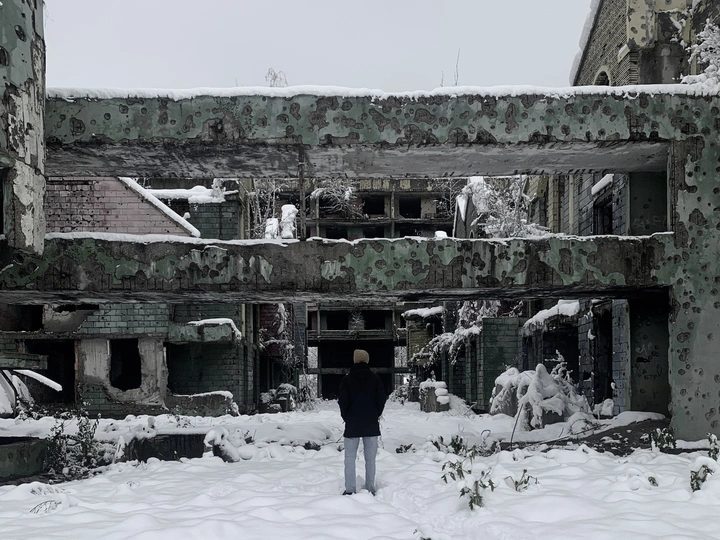
Through the adaptive reuse of iconic buildings in Sarajevo, the project investigates opposing forms of architectural fragility. Some buildings almost lose their physical body, yet continue to live in the city's collective memory. Others preserve their physical presence while gradually losing the meaning that once made them civic landmarks. Rather than imposing a single solution, the proposal develops distinct design strategies capable of embracing these different conditions.
Adaptive reuse is understood not as an act of preservation, but as a cultural act capable of reconnecting architecture, memory and everyday life. New forms of living, collective programmes and flexible public spaces become tools to reactivate buildings that once embodied the identity of socialist Sarajevo, allowing them to accommodate new forms of life without erasing the traces of time.
Ultimately, the project argues that the role of architecture is neither to restore the past nor to transform it into a static monument. Its task is to enable existing buildings to continue their story, transforming decay and permanence into complementary conditions for imagining the future of post-war cities.