Material Memory Atlas
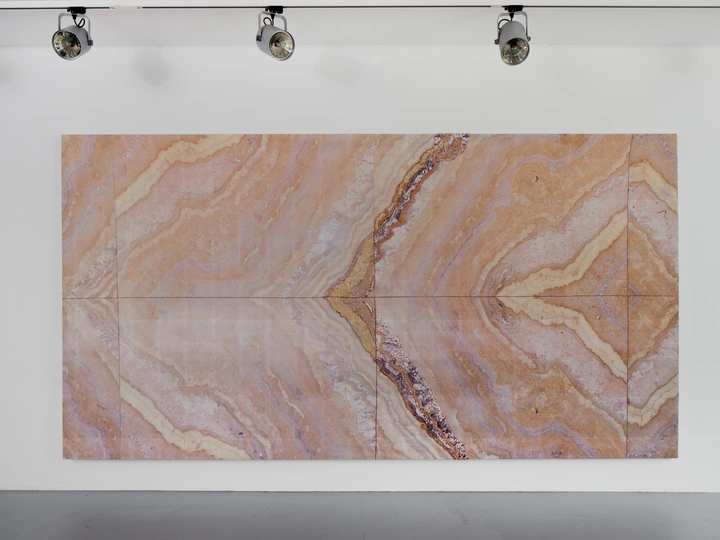
I am an interdisciplinary artist exploring the relationship between architecture, art history, and cultural heritage through material-based research. Working primarily with hand-embroidered glass beads, I investigate architecture as an archive of memory, labor, and collective narratives. My projects translate architectural fragments into tactile images, creating new perspectives on modernist heritage, materiality, and embodied experience. Through a combination of craft, observation, and artistic research, I examine how spaces are perceived, remembered, and culturally transformed.
Architecture is often understood through plans, photographs, and buildings themselves. My proposal explores embroidery as an alternative method of architectural research—one that slows down observation and reveals how architecture is experienced through material, labor, and memory.
Building on my memories MvdR series, which translates architectural details from Mies van der Rohe's buildings into hand-embroidered glass bead works, I propose Material Memory Atlas: an evolving archive of architectural fragments. Rather than documenting entire buildings, the project focuses on surfaces, textures, reflections, and material transitions that carry cultural and historical meaning.
Each work begins with close observation of a specific architectural element. Through the repetitive process of stitching thousands of glass beads onto canvas, these fragments are transformed into tactile images. The slow manual process becomes a form of architectural analysis, offering an alternative reading of architecture through care, materiality, and embodied knowledge.
Within the LINA Architecture Programme, I aim to expand this methodology through collaborations with architects, researchers, and local communities across Europe. Together, we will investigate overlooked architectural details and develop new ways of documenting them through artistic practice.
Rather than producing a conventional architectural archive, Material Memory Atlas combines embroidery, photography, drawing, and text to document architecture through sensory experience as much as through form. It positions artistic practice as a research method that connects architecture, craft, and cultural heritage, asking how slowing down observation can generate new perspectives on the built environment and its collective memory.