MAXXI Architecture Film Lab _ The Ground for Culture
The representation of architecture, ever since Palladio and Alberti who were the first ones to use images in their treaties, has somehow changed architecture itself. Drawings, sketches, paintings at first, photography, film and computer graphics afterwards, made the social role, the political message and the cultural value of architecture accessible and relevant to a wider public in every part of the world. It is no particular wonder then that this aspect of design has always received particular attention from architects who in time have turned to professional photographers and artists to document and interpret their projects.
More recently, thanks to a simplified access to technology and its larger availability, architects, especially among younger generations, are increasingly benefitting from photography and video as a powerful research tool that allows for an accurate and somehow intimate investigation of the built environment and for a more dynamic and engaging representation of their ideas and visions. Symmetrically video and media-artists are focusing their interest towards architecture as a dense repository of ideology, spatial conflicts and consumption, transforming it into an essential narrative tool and, sometimes, even the main character in their stories.
The MAXXI Architecture Film Lab, promoted and organized by MAXXI, takes shape starting from the growing recognition of this exciting contamination between languages and art forms which aims to develop new expressive tools and knowledge shared in the younger generation of architects and video artists. The program included a series of lectures, meetings with artists and experts, as well as workshops aimed at creating short architectural video works. The group of participants - composed of architects and video artists - had the opportunity to explore the art of videomaking as a new way of investigating, questioning and reflecting on this year theme: the new New in architecture.
The MAXXI Architecture Film Lab gave participants the tools to analyze the topic from various points of view in the attempt to provide possible answers to the questions: what is new today in architecture? How is the world changing in terms of space and its design? What is a break through design concept that we should start considering? What direction is architecture taking? What is the future going to look like in the eyes of architects?"
Programme
Theme: the new New
Key words: design innovation, vision, future, new solutions, new challenges, possibility, transformation, experimentation, pioneering, avant-garde, pushing boundaries
Tutor: Jasmina Cibic
Jasmina Cibic is a Slovenian performance, installation and film artist who lives and works in London. Jasmina represented Slovenia at the 55th Venice Biennial with her project “For Our Economy and Culture”. Her recent exhibitions include solo shows at: Museum of Contemporary Art Ljubljana, CCA Glasgow, BALTIC Centre for Contemporary Art Gateshead, Museum of Contemporary Art Zagreb, Museum of Contemporary Art Belgrade, MGLC Ljubljana and Ludwig Museum Budapest along with group exhibitions at MAXXI Rome, MOMA NY, MUMA Monash Museum, Marta Herford and Guangdong Museum of Art China. Cibic’s films have been screened at Whitechapel Gallery, London Film Festival, HKW Berlin, Louvre, Dokfest Kassel and Copenhagen International Documentary Festival. Cibic was the winner of Jarman Award, B3 Biennial of the Moving Image Award and MAC International Ulster Bank and Charlottenborg Fonden awards.
Editing Consultant: Francesca Molteni
Francesca Molteni graduated in Philosophy at the University of Milan, she studied Film Production at New York University. Since 2002 she has produced and directed television formats, documentaries, videos and installations, and curated design exhibitions. In 2009 she founded MUSE Factory of Projects in Milan, a production house specializing in contemporary art, design and architecture. She received the "Award of Awards" for Innovation from the Presidency of the Italian Republic, the Honorable Mention of the Compasso d'Oro, and the Cathay Pacific Women's Entrepreneurship Award. She collaborates with la Repubblica, Vogue, Casa Vogue, AD, Elle Decor. She is the author of the book Business Icons. The great game of industry, Carocci editore.
Guest Lecturer: James Taylor-Foster
James Taylor-Foster is a writer and cultural critic trained in architecture. He is the curator of contemporary architecture and design at ArkDes, the Swedish Centre for Architecture and Design. In 2016 he co-curated the Nordic Pavilion at the 15th Biennale Architettura di Venezia and in 2018 participated in the central exhibition at the 16th. He has developed a number of curatorial projects in Stockholm including, most recently, the first museum exhibition to explore the culture and creative field of ASMR. He was formerly editor-at-large for ArchDaily.
The Ground for Culture, Rebeka Bratož Gornik
The Ground For Culture
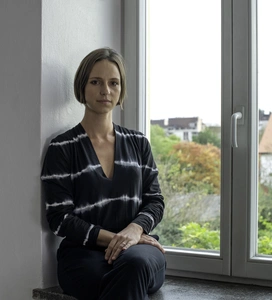
by Rebeka Bratož Gornik
The short film The Ground for Culture explores the contemporary situation of cultural workers through the built environment, displaying the Cukrarna building (Ljubljana, Slovenia) as a metaphor and symbol that merges the past and current position of cultural production workers.
Cukrarna was for 200 years an unestablished place with dark and damp walls where the most influential Slovene literates (Ivan Cankar, OtonŽupančič) of the modern period were creating, living and dying in impoverished conditions. In the past, Cukrarna was a place for lower- income artists who squatted and inhabited the building, but with renovation, this place became unaffordable for lower-income artists to build communities of cultural production.
The film The Ground for Culture addresses the problematic consequences of establishing a culture in urban development. To reveal this issue of the gentrification of culture the film introduces four characters performing in the Cukrarna building within their cultural profession as contemporary representatives, standing on the same ground since its devastation, and raising awareness and effects of space gentrification, highlighting inequalities of cultural workers and questioning the inclusiveness of space within the artform.