What if? Narva workshop
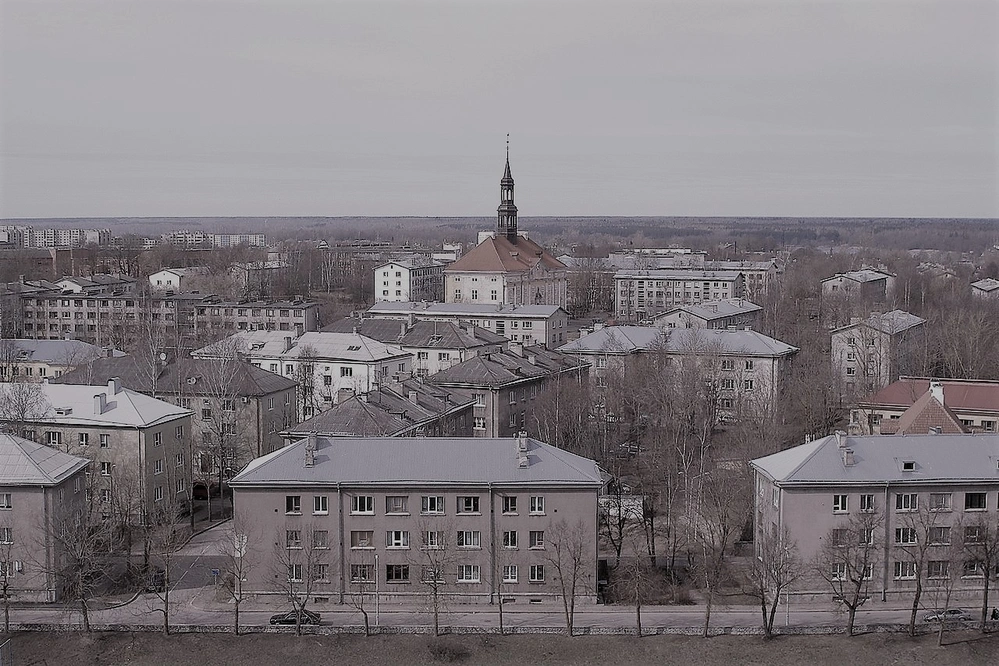
Narva, a very special city on the border of Estonia and Russia, is marking also the border of the EU. The Narva River, which separates the two countries, also embodies the imaginary new Iron Curtain that was raised after the outbreak of the war in Ukraine, and for Narva’s large Russian-speaking population, the world is no longer the same. Narva’s identity is very much tied up with its Soviet legacy, its migration crisis, its displacement of industry in the global restructuring of the post-industrial era, its strong lag in the race to become rich that began after Estonia regained its independence. There is no doubt that the built environment is one of the most important creators of identity; the urban space around us both creates communities and tears them apart. What kind of new space Narva needs? Starting at the grassroots level, with small projects and interventions, the workshop experimented with ways that could change the mood in Narva, offering ideas for a more inclusive city.
The focus of the workshop is Maleaed (Chess Garden) in the triangular-shaped courtyard in central Narva. Maleaed is located next to the Kerese Street – one of the main arteries of Narva – named after famous Narva-born chess player Paul Keres (1916–1975). The area functions as a common space for the surrounding neighbourhood, the courtyard is green but randomly designed and unmaintained. As in Narva as a whole, the quarter was built after the II World War on the site of the historic Old Town, which was bombed during the war. The aim of the workshop is to rethink the Maleaed as a community quarter – what elements tie the area into a coherent space? Is the renovation of residential buildings enough to improve the quality of life here and what modular systems could be used? Will a high quality, human- dimensioned urban space create a new community and transcend ethnic, linguistic, cultural and other barriers specific to Narva?
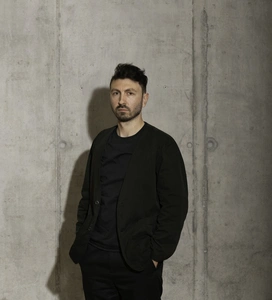
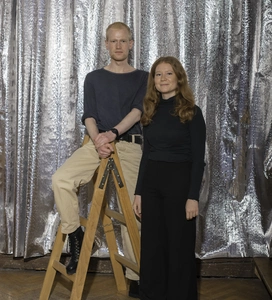
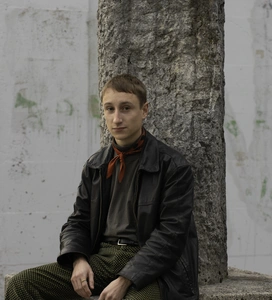
The workshop explored three themes in three student’s groups: the renovation of apartment buildings, the potential of film in mapping places, and, through the lens of Narva data analysis, whether and how much space there is for new potential community activities such as urban gardening. There was an opening seminar held at NART on March 20th introducing the workshop, the chief architect of Narva Peeter Tambu gave an overview of the development of the city, LINA fellows Damiano Cerrone, Dali Dardzhaniya and Jonathan Steiger introduced their work and their input to the workshop. Next day the workshop kicked off with a joint effort to build a chess table from recycled wooden parts. The construction of the table was supervised by Nadežda Sassina, a postgraduate student at the Estonian Academy of Arts, who is herself from Narva and whose aim was to activate the dormant local community spirit by erecting the table for local people to gather. March 21–24 the students divided into three groups were exploring the city, mapping the possibilities of Chess Garden and elaborated their project for the presentation on March 24th in the final seminar day.
Results
The outcomes of the workshop presented in Narva on March 25th in the public seminar were diverse and inspired from the artistic nature of the project. Three groups presented their ideas in the format of drawings, spatial installation and short videos. The group led by Dali Dardzhaniya presented an installation „Soil porridge“– a set table or imaginary restaurant with themes related to local food and food culture, local people's memories and ideas about growing food. Damiano Cerrone’s group mapped out the Chess Garden from a more pragmatic point of view – what and where could be built here. Intimate and sincere were the short videos about Narva made by a workshop group led by Jonathan Steiger – how young people from elsewhere see the city, what they perceive in space and what they note as important. The presentations aroused discussion and questions from the audience challenging the normative perception of the Narva as a shrinking city with neglected public space.
The chess table ready to be transported to the Chess Garden however had to stay in the courtyard of the Narva Art Residency since the municipality of Narva found it too complicated to have it in the garden citing as a reason the difficulties in maintenance, security etc, and denied the permit. The Estonian National Broadcasting even produced a clip of it for the evening news. The ignorance toward the Art Academy’s initiative was a good example of different understandings of the urban public space and the role of the local community. However, as a result of the negotiations, there are plans to move the table to its planned location in May this year.
The Narva workshop was an excellent collaboration project between Estonian Museum of Architecture, Estonian Academy of Arts and NART Art Residency. The students could use the premises of NART, the workshops and public seminar were both held here. The municipality of Narva made available an abandoned kindergarten near Chess Garden where the building of the chess table could take place. However, as noted before the municipality later denied the permit to erect the table on site. The 5-days long workshop taught the students to organise their daily program and to react creatively to the rather free format tasks given by the tutors. LINA fellows could test their skills in tutoring in a short timeframe and intensive program, proposing the different formats for the research.
The Narva workshop focused on community planning – instead of renovating one or two buildings, the emphasis is on a whole neighbourhood and creating social cohesion there. Not all cities and environments are equally developed, and for Narva, community building is a new theme, still largely living in a top-down idea of planning where personal initiative is not valued. Therefore, every small initiative is important in this context. In the longer term, such initiatives aim to reduce feelings of exclusion, reduce inequalities and promote a culture of inclusion.
Related fellows
Related projects